
15 Interview Preparation Steps You Must Master for Professional Success
Interview preparation has become an essential skill for every job seeker navigating today’s highly competitive employment landscape. Companies now expect candidates to demonstrate not only competence but also professionalism, critical thinking, and a clear understanding of their value.
Effective interview preparation allows you to present yourself with confidence, anticipate interview dynamics, and communicate your strengths with clarity. The following guide explores fifteen crucial interview preparation steps that will help you stand out and position yourself as an outstanding candidate in any recruitment process.

1. Research the Company Thoroughly
Interview preparation begins with building a deep understanding of the company you are applying to. Employers value candidates who come prepared with accurate and relevant knowledge. Study the organization’s mission, core values, history, and recent achievements. Explore their products or services and understand their competitive position in the industry.
This level of preparation helps you demonstrate genuine interest and allows you to tailor your answers to align with the company’s long-term objectives. When you articulate why the organization attracts you or how your skills contribute to their goals, you create a stronger connection with the interviewer.
2. Study the Job Description Carefully
Another essential aspect of interview preparation is analyzing the job description in detail. Break down the listed responsibilities and required competencies. Identify the technical skills, soft skills, and experiences the employer is prioritizing.
When you understand the specific expectations behind the role, you can prepare targeted examples from your professional background that match what the employer needs. This prevents you from giving general answers and helps you present yourself as someone who clearly fits the position.
3. Craft a Clear and Cohesive Professional Narrative
An important part of interview preparation involves developing a well-structured professional story. Interviewers appreciate candidates who can explain their career journey with clarity. Reflect on the motivations behind your previous career choices, major accomplishments, and key turning points that shaped your expertise.
A cohesive narrative builds credibility. It also helps interviewers understand your personality, work ethic, and long-term career vision. When your story is consistent and supported by specific achievements, you appear more prepared and professional.
4. Practice Common Interview Questions
Practicing standard questions will significantly improve your interview preparation. Common questions include describing your strengths, weaknesses, challenges at previous jobs, leadership experience, and long-term goals. Rehearsing these answers helps you speak fluently and confidently under pressure.
Effective interview preparation also involves avoiding memorized or robotic answers. Instead, practice expressing your responses in a natural and conversational manner. The more familiar you are with the key themes you want to communicate, the easier it becomes to adapt to various question formats.
5. Prepare Strong STAR Method Responses
Behavioral interviews have become a standard component of modern hiring processes. This makes the STAR method essential in interview preparation. STAR stands for situation, task, action, and result. The method allows you to structure your answers logically and clearly.
By preparing STAR responses, you demonstrate critical thinking and accountability. Interviewers can follow your reasoning, understand how you solve problems, and assess the impact of your decisions. This enhances your credibility and offers concrete evidence of your competence.
6. Organize a Professional Portfolio or Work Samples
In certain roles, especially those requiring technical, creative, or analytical skills, a refined portfolio enhances interview preparation. Ensure your work samples are organized, relevant, and easy to present. Include case studies, reports, visual designs, project summaries, or performance metrics that represent your strengths.
A well-prepared portfolio supports verbal explanations and helps interviewers evaluate your capabilities. It shows dedication and attention to detail, qualities that employers value highly.
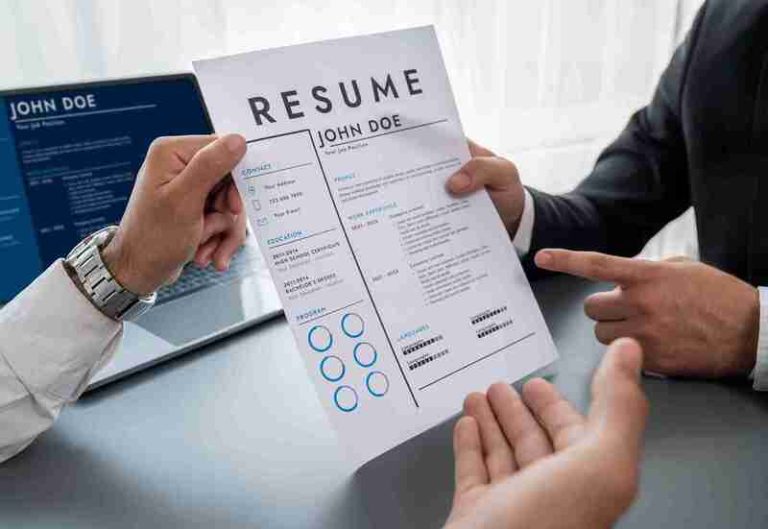
7. Update and Print Your Resume
Even in digital-first hiring environments, printed resumes remain an important element of interview preparation. Bring several high-quality copies of your updated resume to in-person interviews. Ensure that your resume highlights your key accomplishments, relevant certifications, and recently acquired skills.
A polished resume reinforces your professionalism and creates a positive first impression. It also serves as a reference point during the interview, helping the interviewer follow your career journey easily.
8. Understand Company Culture and Work Environment
Understanding company culture is one of the most strategic steps in interview preparation. Read employee reviews, observe communication styles on professional platforms, and identify values the organization prioritizes. Company culture influences leadership expectations, decision-making styles, and the general pace of work.
When you show alignment with the company’s culture, you demonstrate your ability to integrate smoothly into their team. Interviewers are more likely to choose candidates who fit not only in skill but also in personality and work style.
9. Prepare Insightful Questions for the Interviewer
A strong interview preparation plan always includes preparing questions to ask the hiring manager. Thoughtful questions show engagement, curiosity, and long-term interest in the role. You might ask about performance indicators, team collaboration, upcoming projects, or opportunities for professional development.
Insightful questions demonstrate that you have researched the role and are actively evaluating whether the company aligns with your long-term goals. Interviewers appreciate candidates who take initiative and show maturity through meaningful dialogue.
10. Select Appropriate Professional Attire
Appearance plays a meaningful role in interview preparation. Your attire communicates respect, seriousness, and awareness of professional norms. Research the dress code of the company and aim to present yourself slightly above their standard expectations.
Regardless of whether the interview is virtual or in person, choose attire that appears polished, modest, and appropriate for the industry. This helps establish credibility even before the conversation begins.
11. Plan Your Travel and Manage Your Time Wisely
Punctuality reflects reliability and organization. As part of thorough interview preparation, plan your travel route in advance and factor in potential delays. For virtual interviews, log in early and ensure you have a quiet, distraction-free environment.
Time management demonstrates respect for the interviewer’s schedule and contributes to a calm, confident mindset. Arriving early also gives you time to review your talking points and adjust to the environment.
12. Set Up Technology for Virtual Interviews
Virtual interviews require a different type of interview preparation. Test your camera, microphone, lighting, and internet connection beforehand. Use a clean and neutral background to maintain a professional appearance.
Technical issues can disrupt the flow of an interview and reduce the impression of preparedness. By testing everything in advance, you minimize interruptions and present yourself as someone who values professionalism.
13. Practice Strong and Confident Body Language
Body language significantly influences how your responses are perceived. Effective interview preparation includes practicing eye contact, posture, and intentional gestures. Maintain a calm demeanor and avoid physical habits that indicate nervousness, such as tapping or fidgeting.
Positive body language reinforces confidence and engagement. When your verbal and nonverbal communication align, you deliver a stronger overall impression and build trust with the interviewer.
14. Update Yourself on Industry Trends
Solid interview preparation requires staying informed about relevant industry developments. Interviewers often assess whether candidates understand market challenges, evolving technologies, or new regulatory standards.
Candidates who demonstrate awareness of industry trends appear more proactive and passionate about their field. This level of insight also shows that you are ready to adapt to changing demands and contribute new ideas.
15. Plan a Professional Post-Interview Follow Up
The final step of interview preparation is crafting a polite follow-up message. Send a concise thank you email that expresses appreciation for the interview opportunity. Mention a few key points from the conversation and reiterate your enthusiasm for the role.
A thoughtful follow-up reinforces your interest in the position and leaves a lasting positive impression. Many hiring managers view follow-up messages as evidence of professionalism and strong communication skills.

Conclusion
Mastering interview preparation requires intentional planning, self-reflection, and discipline. It involves much more than rehearsing answers. True preparation demands understanding the company, refining your personal narrative, presenting yourself professionally, and demonstrating awareness of the industry.
By applying the fifteen interview preparation steps described in this guide, you equip yourself with the clarity, confidence, and strategy necessary to perform at your highest potential. Whether you are entering the workforce for the first time or advancing toward a more senior position, strong interview preparation is the key to unlocking new opportunities and achieving long-term career success.